Evidence-based · Doctor-safe
Can Type 2 Diabetes Be Reversed?
Yes — for most adults, it is fully reversible.
Landmark trials (Virta, DiRECT, Newcastle) show 46–60% of participants achieve remission — normal A1C without medication — inside a year of following a structured low-carb, time-restricted protocol. This page shows you exactly what works and how to start today.
No credit card. No email required to see your score.
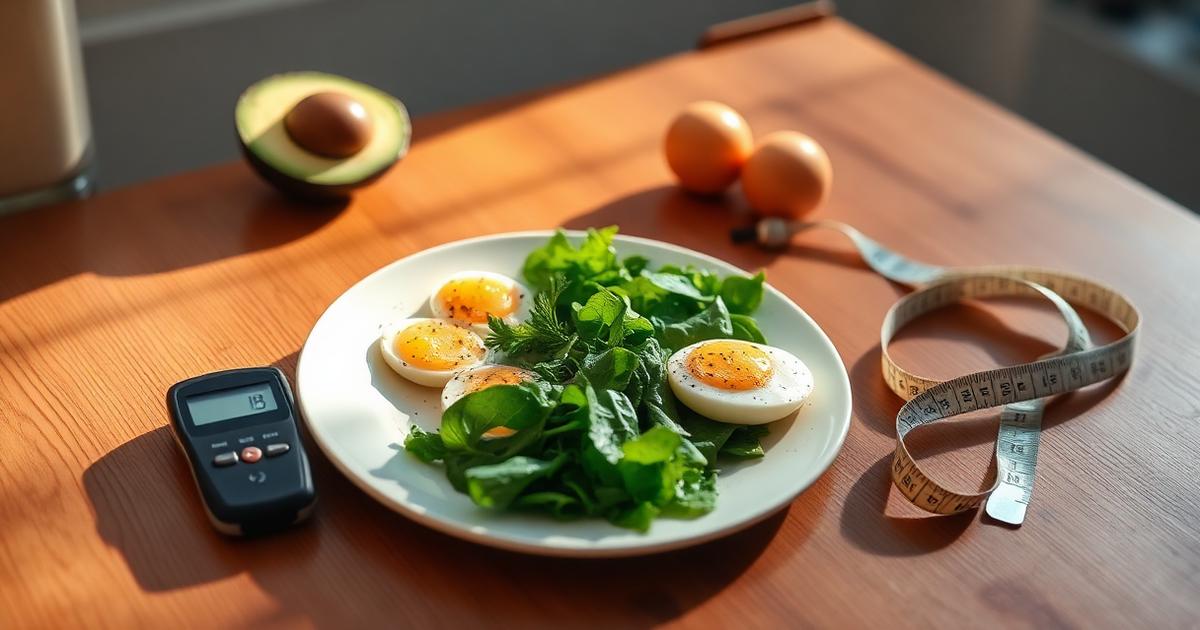
Free 7-Day Sugar-Free Challenge
A practical daily protocol to stabilise energy, stop the 3 pm crash, and reduce cravings — without extreme restriction.
- Hidden sugar cheat sheet
- Sweet & carb swaps that actually work
- Midday snack survival guide
- Sleep protocol that supports fat adaptation
- Clear day-by-day action plan
Join hundreds of people starting the challenge this month.
of Virta trial participants reversed T2D in 1 year
average A1C drop at 90 days (Newcastle protocol)
of DiRECT participants in remission at 12 months
Is type 2 diabetes reversible?
Short answer: yes, for the majority of adults— especially within the first 6 years of diagnosis. Type 2 diabetes is not a progressive, one-way disease the way it was taught for decades. It is a condition of chronically elevated insulin and stored liver and pancreatic fat. Remove the fuel that drives it, and the biology reverses.
"Reversal" and "remission" mean the same practical thing: A1C below 6.5% without diabetes medication for at least three months. Thousands of Americans hit that target every year — most without surgery, without extreme calorie restriction, and without willpower heroics. They follow a protocol.
The 4 changes that reverse T2D
This is the same framework used inside our 12-Week Metabolic Comeback Method.
1. Cap carbs at 20–30g net per day
Under 30g of net carbs a day starves the fatty liver and lets insulin fall. This alone drops fasting glucose within 2 weeks for most people.
2. Anchor every meal with 30–40g of protein
Protein preserves muscle (your biggest glucose sponge), controls appetite, and blunts glucose spikes. Skip the low-protein 'healthy' breakfasts.
3. Compress eating to a 6–10 hour window
16:8 intermittent fasting gives insulin the long trough it needs to fall. When insulin is low, stored fat burns and cells listen again.
4. Walk 10 minutes after your biggest meal
A short post-meal walk cuts the glucose spike by up to 30%. Highest-leverage 10 minutes in your day for A1C reduction.
What to expect, week by week
- Week 1–2
Fasting glucose starts dropping. Cravings quiet down. Energy steadies.
- Week 3–6
Waist shrinks 1–2 inches. Fasting glucose down 20–40 mg/dL. Medication conversations begin with your doctor.
- Week 7–12
A1C measurably lower on the next lab. Many members off one or more meds. Clothes fit differently.
- Month 4–9
Full remission range for the majority who stay consistent. A1C under 6.5% off medication.
See where your metabolism stands today
The free Metabolic Comeback Score takes 3 minutes. You'll get a personal score, your biggest lever for A1C reduction, and a playbook delivered to your inbox — no credit card, no signup wall.
- 3-minute assessment
- Personal metabolic score
- Your #1 lever to lower A1C
- Free playbook via email
Frequently asked questions
Can type 2 diabetes be reversed?
Yes. Peer-reviewed trials (Virta Health, DiRECT, Newcastle) show that the majority of adults with type 2 diabetes can achieve remission — normal A1C without medication — through structured low-carb nutrition, time-restricted eating, and consistent movement. Reversal is most likely within the first 6 years of diagnosis but is still possible later.
Is type 2 diabetes reversible in every case?
Not every case, but far more than doctors historically believed. Longer duration, very high insulin requirements, and significant beta-cell loss reduce the odds. Even then, the same protocol usually lowers A1C, reduces medication, and slashes complication risk.
How long does it take to reverse type 2 diabetes?
Fasting glucose typically responds within 2–4 weeks. A1C is a 90-day average, so the first measurable drop shows on a lab drawn 8–12 weeks in. Full remission (A1C < 6.5% off medication for 3+ months) commonly takes 3–9 months on a structured program.
Do I need to stop my diabetes medication?
Never stop or lower medication on your own. Blood sugar drops fast on this protocol, and medications like insulin or sulfonylureas can cause dangerous lows if not adjusted. Work with your prescribing doctor — we tell you exactly what to bring to that appointment.
Is this keto? Carnivore? What do I actually eat?
It is a high-protein, low-carb plate: 20–30g net carbs a day, 30–40g of protein per meal, non-starchy vegetables, and healthy fats. No calorie counting. Most members eat 2–3 meals within a 6–10 hour window.
Is this safe long-term?
Yes. Removing chronically elevated blood sugar and insulin is one of the most protective things you can do for your heart, kidneys, eyes, and brain. Your labs are tracked weekly inside the program so nothing drifts.
Related reading: How to Reverse Prediabetes · Low-Carb Diet Plan for Diabetes · Fatty Liver Diet Plan · Lowering Blood Pressure Metabolically · GLP-1 Diet and Muscle
Educational content, not medical advice. Never change diabetes medication without your prescribing physician.